Credit card rewards earned have nearly doubled since 2020. But that doesn’t mean people are using them.
According to a CreditCards.com survey, 23% of rewards cardholders haven’t redeemed any rewards over the past year.
So, what’s stopping them?
That’s a bit of a loaded question, since there are plenty of variables that could impact their use of rewards. But there’s one big one you have full control over: whether cardholders know the program exists at all, and whether they understand it's worth their time.
Often, they don't. Or they did once, and forgot.
A rewards program nobody knows about isn't doing anything for cardholder loyalty or LTV. Issuers who drive real engagement treat rewards promotion the way they treat any product marketing: as an ongoing function.
Below, we'll walk through how to get your offers in front of cardholders, show them the value, and push your card to top of wallet. But first, a quick overview of why you need to promote your rewards program in the first place.
Why Promote Your Rewards Program?
Rewards promotion is usually framed as a retention play. And it is. But it’s also a really underrated growth lever. It can help you:
- Acquire new customers. A publicly visible rewards page — showing specific cash back percentages at recognizable merchants — gives prospective cardholders a concrete reason to choose your card over a competitor's.
- Boost app engagement. Regular rewards communications drive logins, in-app activity, and time spent with your brand. Every offer notification is a reason to open the app.
- Increase card spend. Cardholders spend more when they see relevant offers at brands they already shop. Connecting rewards to common spending moments, like getting gas, buying groceries, splurging on weekend takeout, is what makes people appreciate your card — and reach for it the next time they buy something instead of a different one.
Already sold on the value and ready to launch? Read our step-by-step guide to getting your program off the ground.
4 Steps to Promoting Cash Back Rewards
A single email on launch day isn’t going to cut it.
Across all industries, the average email open rate hovers around 21% to 23%. That means just 1 in 5 recipients opens a single email sent to them. To capture their attention (and keep it), your launch and ongoing rewards campaigns need to be a full-blown sequence — across channels, across time.
Here's what that looks like in practice:
1. Make Your Rewards Visible
Before you send a single email, your rewards program needs a home on your website and inside your app.
This does two things:
- It attracts new customers shopping around for a card, and
- It keeps existing cardholders aware that the program exists in the first place.
Every time they log in to check a balance or transfer money, they're reminded there's a cash back offer waiting for them — which is the nudge most cardholders need to take advantage of it.
Build a Dedicated Rewards Page
Add a banner or landing page on your website or app that explains how to find offers, how cash back is earned, and when it's credited.
- Use specific numbers, think: cash back percentages, merchant names, category examples.
- Include recognizable brand logos to show that you partner with brands that are relevant to your cardholders.
- Keep the copy clear and concise. “Earn cash back at brands you already shop” works, “Experience the benefits of our merchant-funded rewards ecosystem” definitely doesn’t have the same ring to it.
Make Rewards Visible Inside Your App
If cardholders have to search for offers, most of them won't.
Make your rewards section one tap from login, not buried three menus deep. An easy way to get people to tap is to link to rewards from the home screen or card dashboard.
2. Announce Your Program — in Multiple Ways
Once the page is live, announce it:
Over Email
Send a dedicated email to your full cardholder list introducing the program. But make sure to lead with value, not features:
- Answer “what’s in it for me?” in the subject line to boost your open rate.
- Then, include two or three specific merchants and percentages in the body so the offer feels concrete.
- Give it one clear CTA, linking directly to the rewards page or offers section of your app.
Through a Welcome Push Notification
Follow up with a short, celebratory push to app users letting them know offers are live. Link directly to the rewards section so they can browse (and hopefully use!) your offers.
3. Keep Reminding Cardholders That Your Rewards Exist (and Have Specific Value)
To sustain people’s awareness, you can’t just add rewards to your website, send an email, send a push notification, and call it a day. You need ongoing touchpoints. Here are four email formats that work:
Monthly Offer Roundups
Send a monthly email featuring three to four high-value offers with recognizable logos and a clear CTA. It’s an easy way to stay top of mind. Highlighting new or high-value offers often gets users thinking, “Oh, I didn’t know I could get cash back on this!”
To make sure people see the offers inside of this monthly roundup, make sure to prioritize your headline. Use action verbs, test out emojis, and add urgency with expiration dates.
Some flavors of subject lines that work include:
- “Your latest cash back offers are here 👀”
- “This month’s top deals: Walmart, Domino’s & more”
- “Earn before they expire: New offers waiting for you”
Note: One of our partners noted that monthly roundup emails consistently drive spikes in redemption and impressions.
Newsletter Features
If you already send a regular cardholder newsletter, try adding a rewards section. Feature two or three current offers, again with recognizable logos and expiration dates.
This may feel repetitive, but it can catch cardholders who missed other emails and keeps reminding cardholders that offers exist.
Single-Offer Spotlights
If you’ve got some high-recognition brands in your network, send an email about one cash back offer. Tie it to a seasonal moment, so (1) it makes sense why you’re promoting it now, and (2) is extremely relevant to cardholders.
Category Highlight
Like your roundup, but just focused on a specific category. We recommend leading with a high-frequency one like gas, dining, or grocery because it might spur some redemptions right away. At the very least, it will drive cardholders to your full offers page.
Note: We’ve seen push notifications work best with our partners when it comes to conversions. But it’s still important to use other channels, like email and social media, to meet cardholders where they are.
4. Take Advantage of Key Engagement Moments
Beyond your regular cadence of emails and push notifications, you might also consider:
Seasonal Campaigns
Back to school, Black Friday, summer travel — all of these are opportunities to engage with your cardholders. And you don’t need to design specific merchant offers for these time periods, just pick the ones from your catalog that cardholders may be thinking about.
For example:
- At the start of the year, people might be rethinking their gym routine. Send an email featuring all of your athleisure or shoe brands.
- During the summer months, people are out and about, basking in the great weather. Send an email featuring places to earn cash back on quick-serve restaurants that get them back outside or enjoying a sweet treat.
To make sure you remember to do this, map your offer inventory to the calendar at the start of each quarter. Identify which merchants might line up with upcoming holidays or significant times of year and start building your emails in advance.
Redemption Notifications
The single highest-engagement moment is when cardholders earn cash back. So make it count!
Here’s what we’ve seen work:
- Sending a push notification immediately after a qualifying transaction.
- Keep it short and celebratory to reinforce the connection between card usage and reward.
- Link back to the rewards page so they’re prompted to take a look at other offers available to them.
Some examples:
“You just earned $3 cash back! Tap to check out more offers.”
“Cha-ching! Your [INSERT BRAND NAME] reward is on the way.”
3 Email Tips
A few things to keep in mind as you write your rewards emails:
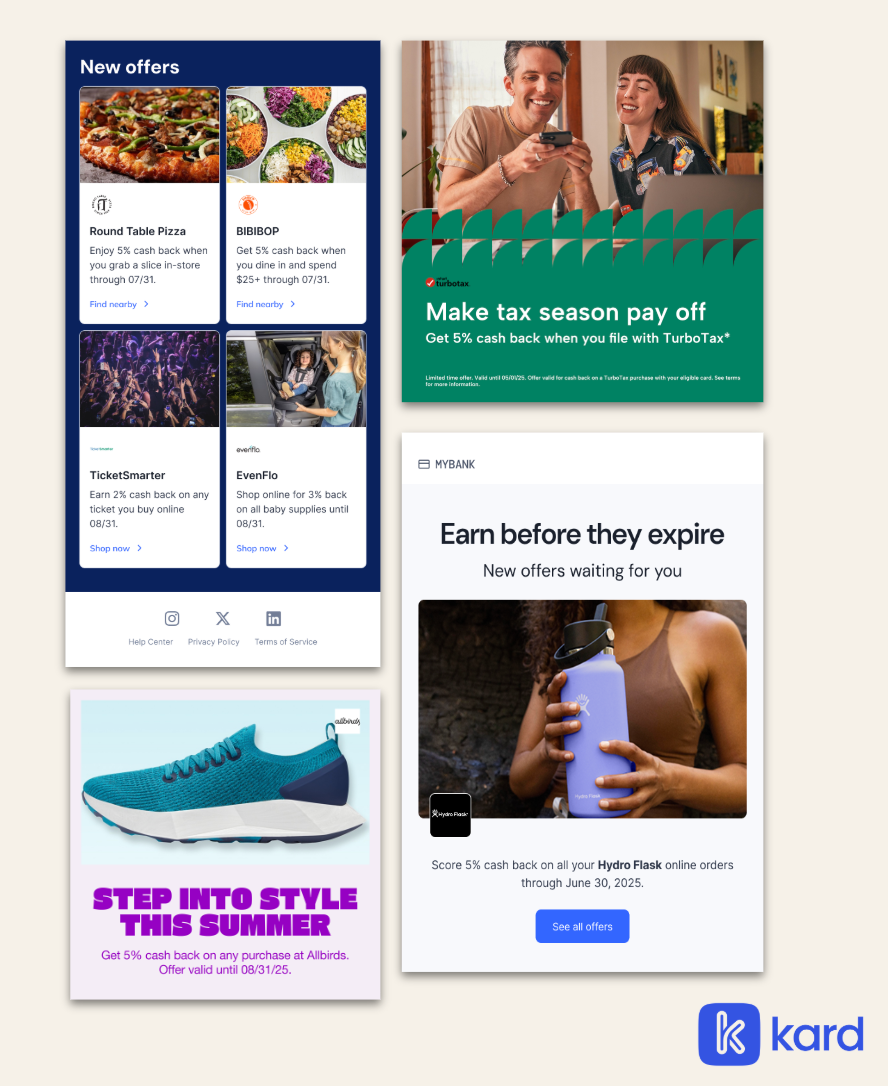
- Lead with a brand name and a cash back % or $ in the subject line. That will help answer the “so what?” for the reader (and push them to open it).
- Include recognizable merchant logos. We’ve said it a few times, but we’ll say it again: spotlighting great logos builds visual trust fast and signals to your cardholders that you partner with brands they care about.
- Use one clear CTA, linked directly to the offer or offers page. Otherwise, people will get lost and bounce off of your mobile or web app.
Some great examples to get inspired by:
3 Push Notification Tips
Push notifications have a way higher view rate than email, close to 90%. That being said, there’s more risk of fatigue with notifications. Send too many, and people will get annoyed.
With that in mind:
- Use push mainly for time-sensitive offers that genuinely warrant the interruption.
- One offer per push. Don't try to recap the month in a notification.
- Keep copy to 50 characters or less. Anything longer gets truncated on most lock screens anyway.
- Link directly to the offer in the app. Once again, link to the offer itself, not the rewards section — that’s what cardholders expect to see.
- Send early morning or late evening. That's when cardholders are checking their phones.
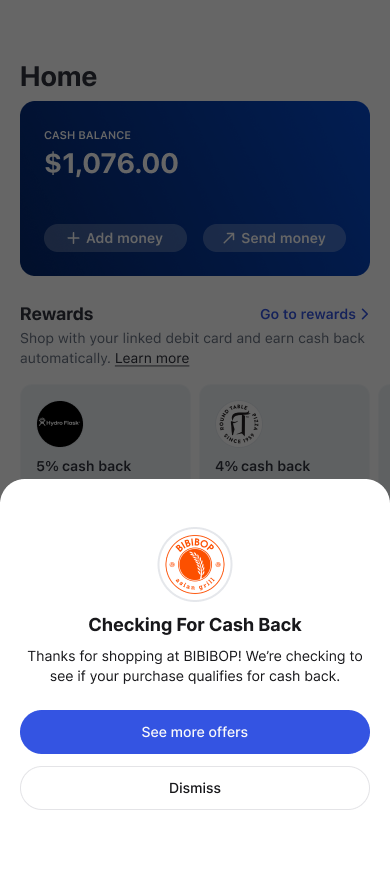
Here’s a nice example:
Note: Make sure ahead of launch (and really, on a regular basis), you preview your app to real users, monitor their behavior, and survey their satisfaction.
According to a May 2026 PYMNTS study, 69% of cardholders say the quality of a credit card’s mobile app influences which card becomes their most used. If they don’t like your app, they won’t use it, and they definitely won’t see your push notifications.
What a 90-Day Launch Looks Like
You don't need to do all of this on day one. We typically recommend the following cadence to ease into your rewards marketing:
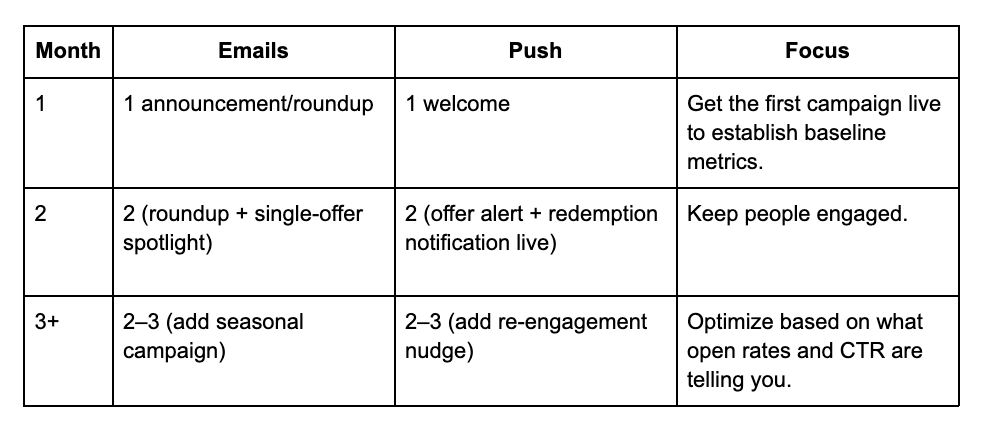
Of course, you can only optimize what you can measure. You should be tracking:
- Open rate. Tells you if your subject lines are working. If it's low, you might need to rework your subject line approach.
- Click-through rate. Tells you if offers are resonating. A high open rate with low CTR means cardholders are curious but not convinced. Time to revisit the offers you're featuring or the way you're presenting them.
- Bounce rate. Tells you if campaigns are even reaching your cardholders. A high bounce rate points to list hygiene issues.
- Unsubscribe rate. If your unsubscribe rate is creeping up, that’s an early warning sign that you're sending too often or the offers aren't relevant enough.
- Conversion rate. Tells you whether cardholders are actually using the offers — what matters most!
Want more launch and measurement advice? Read up on the 4 Principles of Effective Rewards Marketing
5 Kard Distribution Partners Doing Rewards Right
Sometimes the best way to plan your own program is to see what others are doing. These five Kard distribution partners promote their merchant-funded cash back programs in ways worth stealing.
Here's a quick look at what each one does well:
Atlas
Atlas uses their homepage to sell the rewards experience before a cardholder signs up. Their hero image shows a phone mockup with cash back offers (10% at Walmart, 10% at DoorDash) so prospective customers can see exactly what they're getting before they apply.
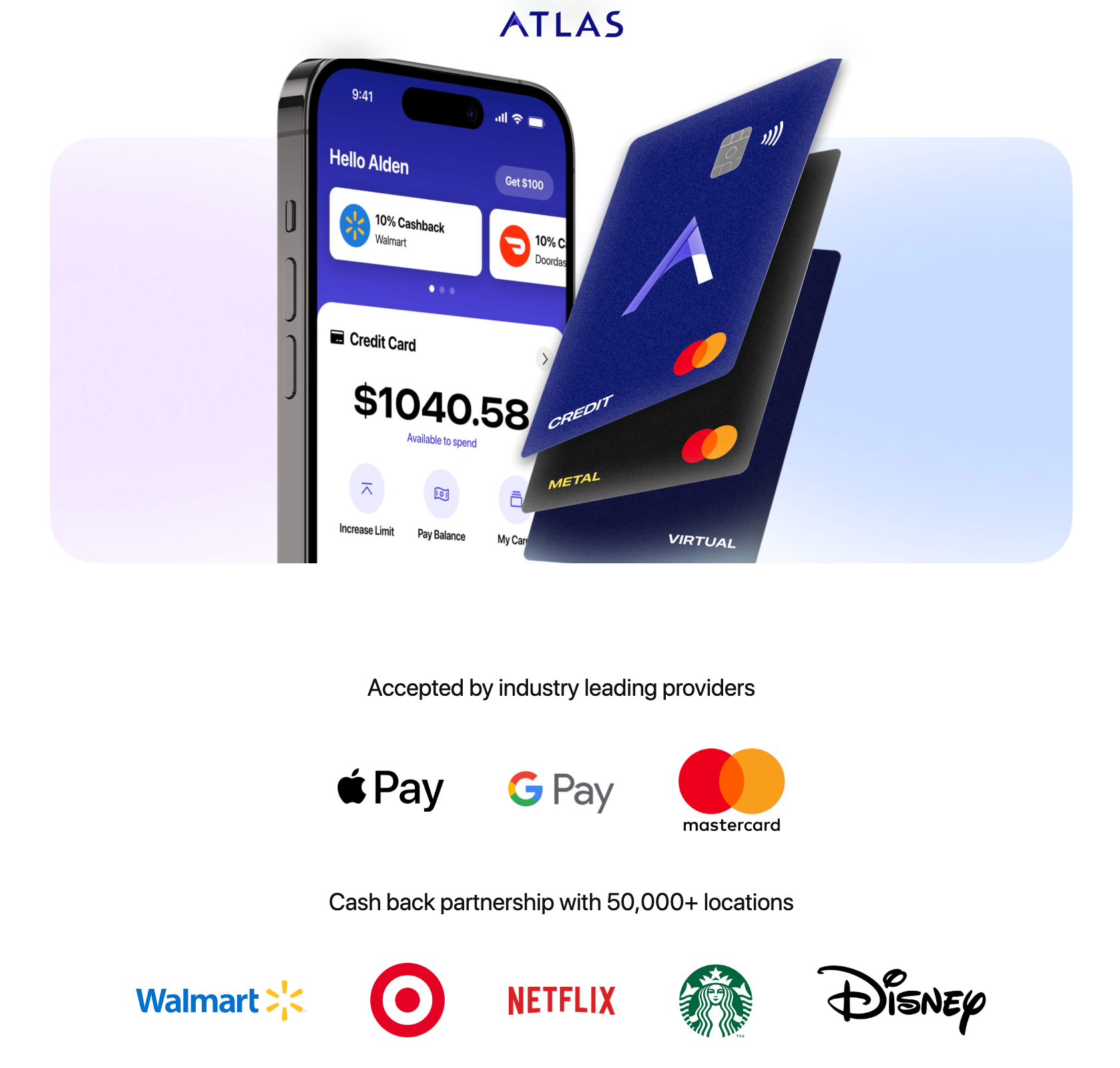
Below that the "Cash back partnership with 50,000+ locations" copy shows the breadth of their rewards, getting people curious about where else they could earn cash back at.
Did you know? Atlas increased average customer value by 163% with Kard. Read how →
Tilt
Tilt positions rewards as one of three core reasons to get its credit card on its homepage:
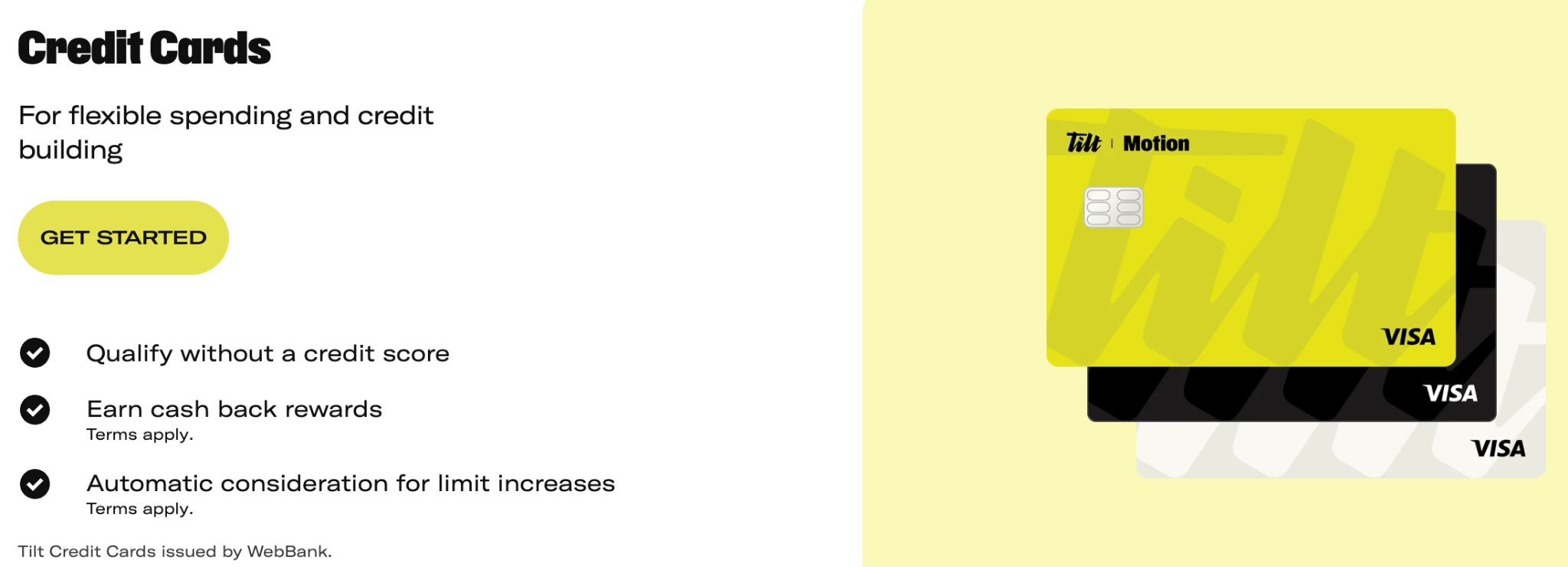
And underscores that value on its credit card page, specifically:
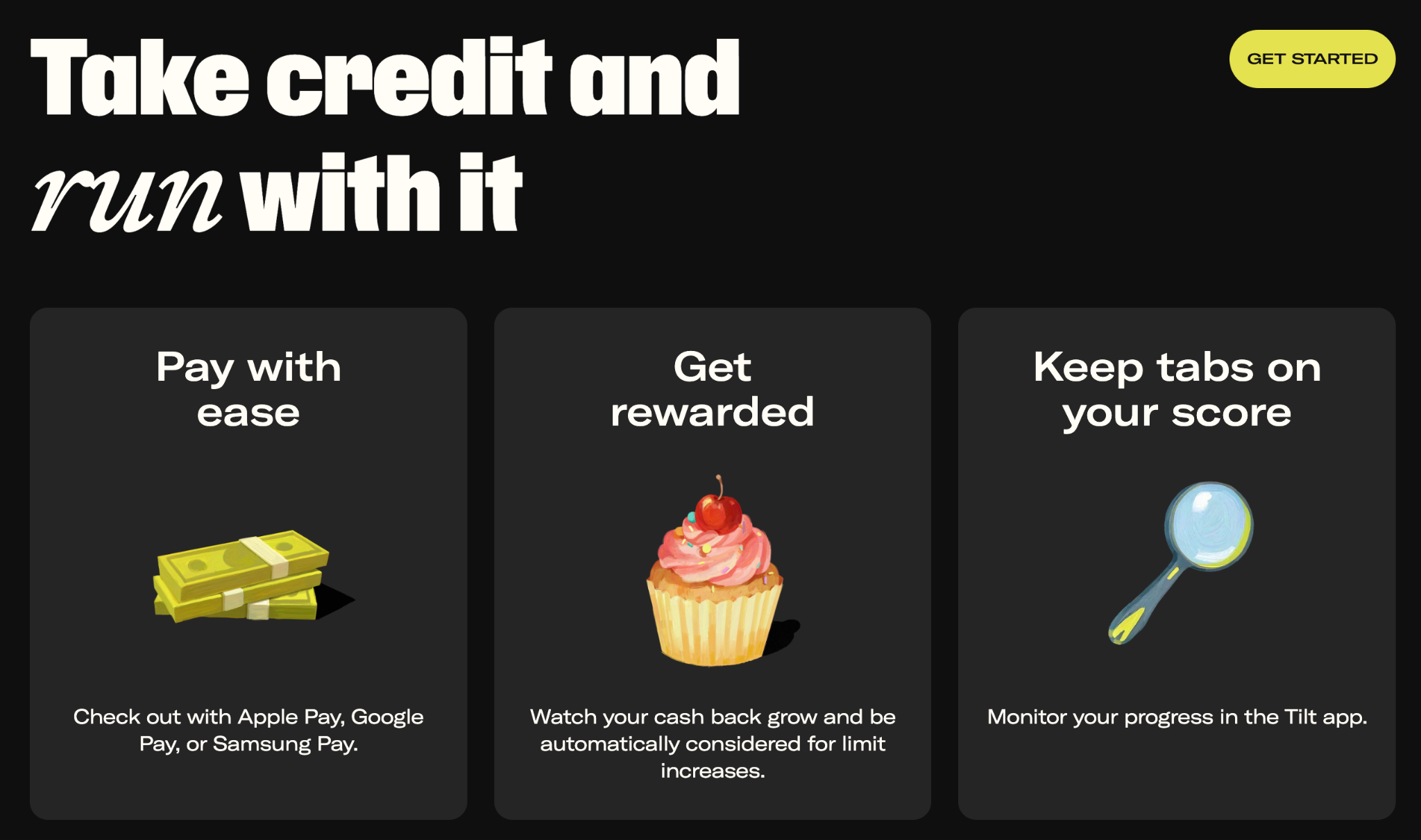
Cardholders "Get rewarded" not just with cash back, but with automatic consideration for limit increases, tying rewards to an outcome that matters to Tilt's audience (building credit).
Acorns
"Earn bonus investments, Cash back invested" is a top-level navigation item on the Acorns website so it’s instantly visible to prospective and current cardholders.

On the Earn page, the headline reads: "Automatically earn bonus investments when you buy what you need from brands you love," making it abundantly clear how the rewards work and the value they have to cardholders.
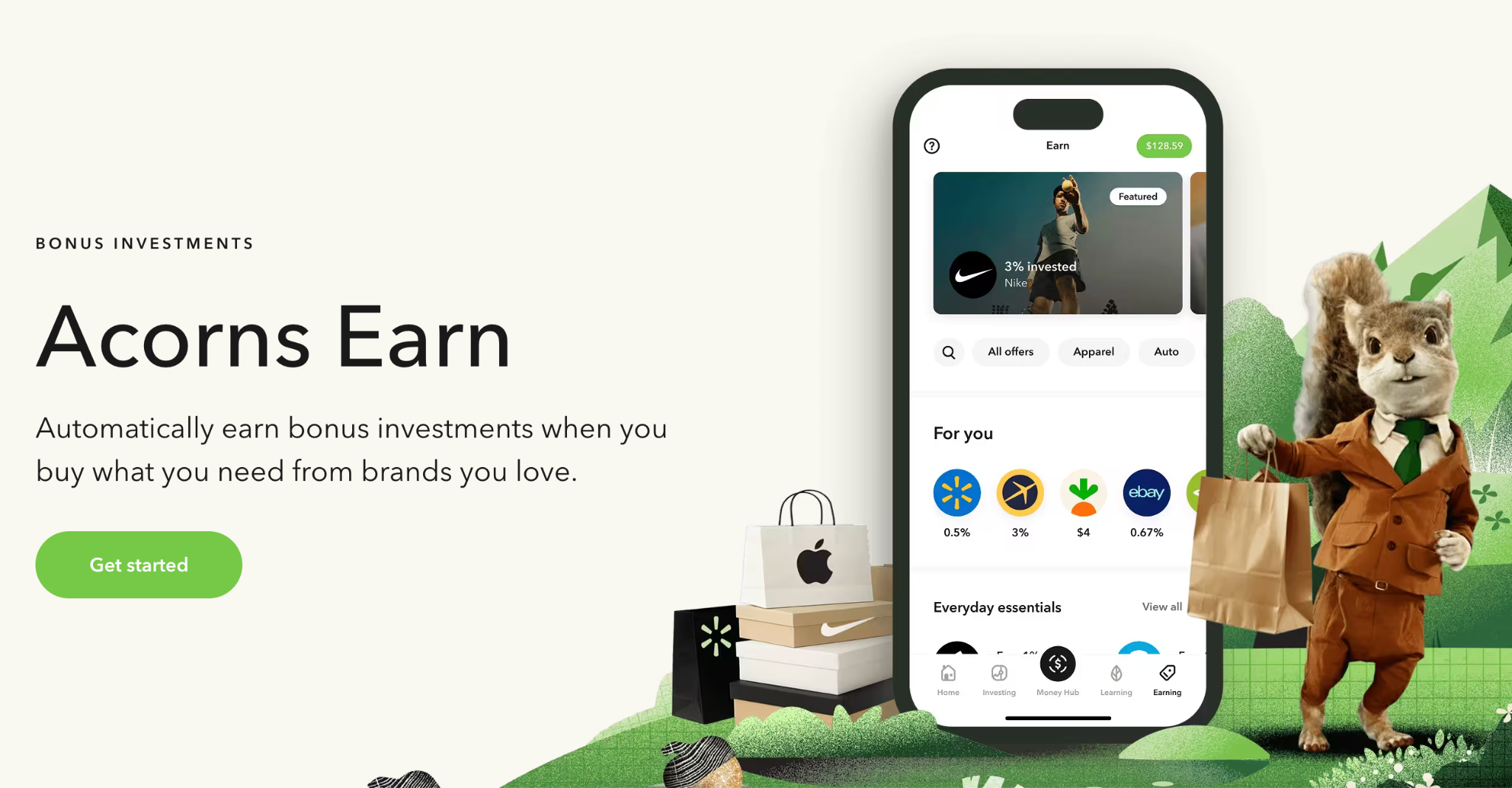
The header also displays a screenshot of how the offers look in the app, with a Nike cash back offer featured prominently at the top and “For you” and “Everyday essentials” offers listed right below it, again reinforcing the value of these offers.
Varo
Varo gives cash back permanent real estate in their main navigation under the "Manage Money" tab, alongside core features like early payday and money transfers.

The cash back page communicates the value of rewards immediately, with a snappy “GET CASH BACK ON EVERYDAY PURCHASES” header. The corresponding image of someone using the app shows just how relevant the rewards are, with a map of nearby gas, grocery, and dining offers.
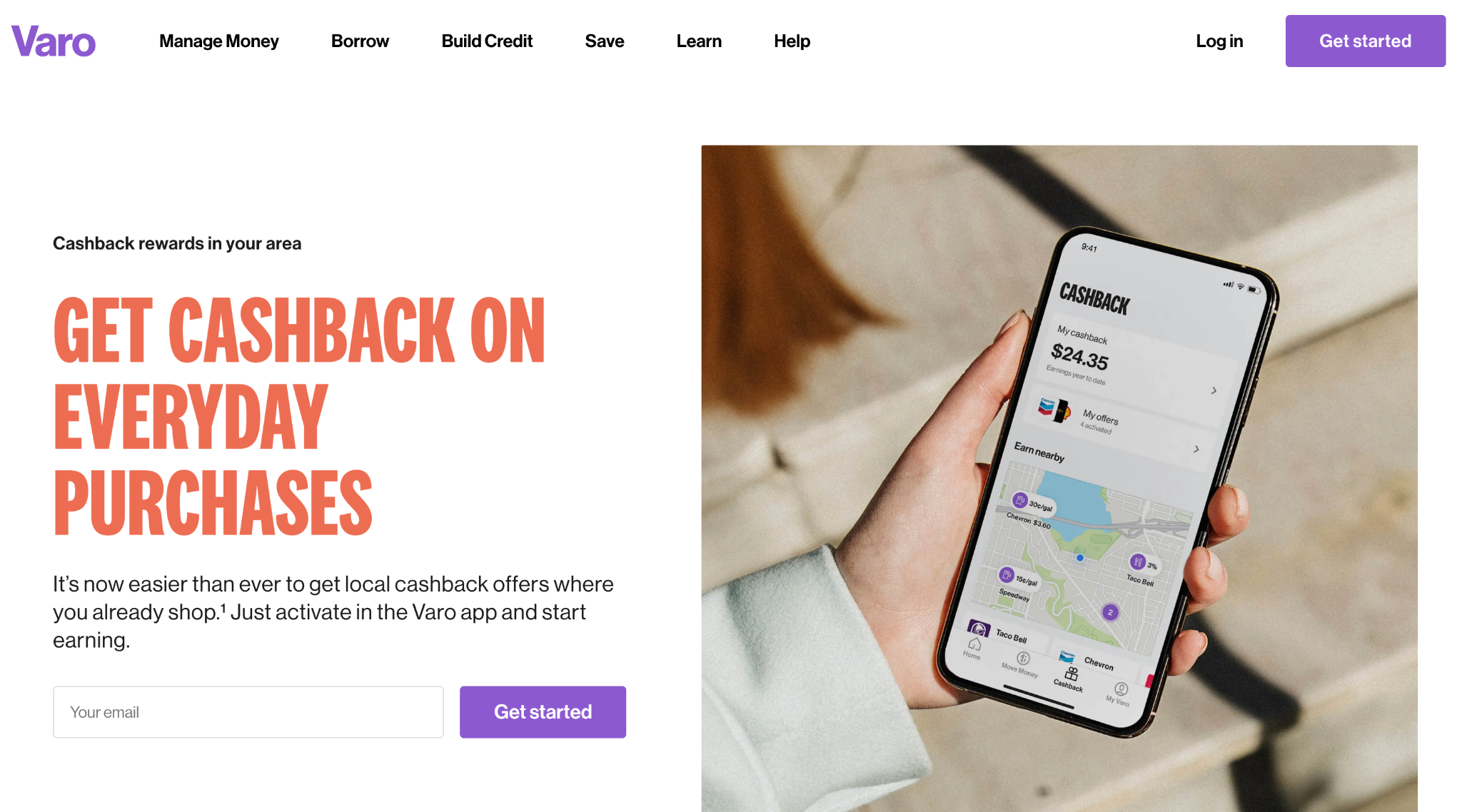
As visitors scroll down, they see featured brands like Shell, Taco Bell, Wendy's, and Circle K — places Varo cardholders actually frequent.
Majority
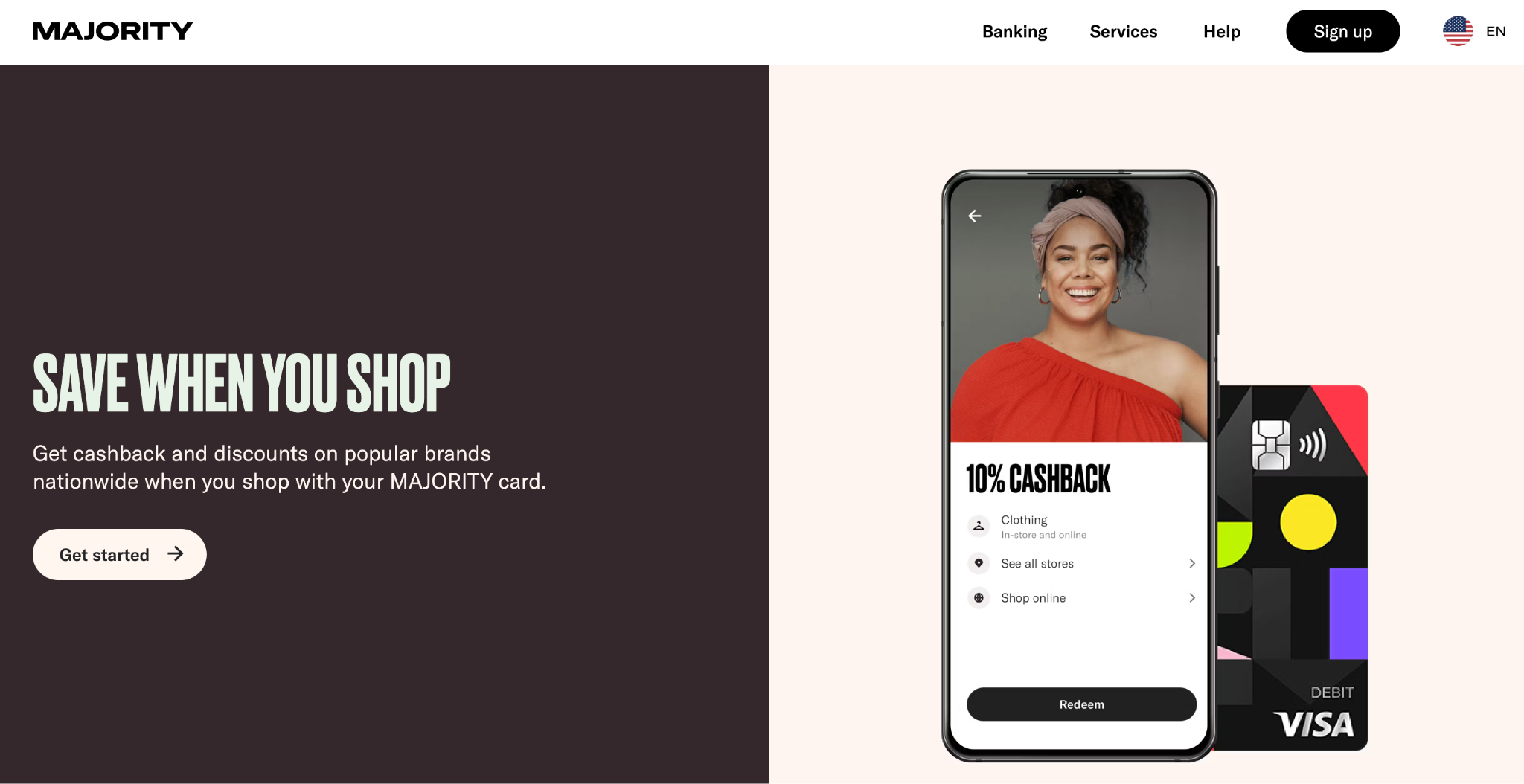
Majority puts rewards front and center on their debit card product page, making it obvious what rewards they offer and why prospective customers should care.
They’ve also experimented with single offer emails — to great success. During tax season, they partnered with TurboTax to offer $5 cash back when cardholders filed their federal or state taxes:
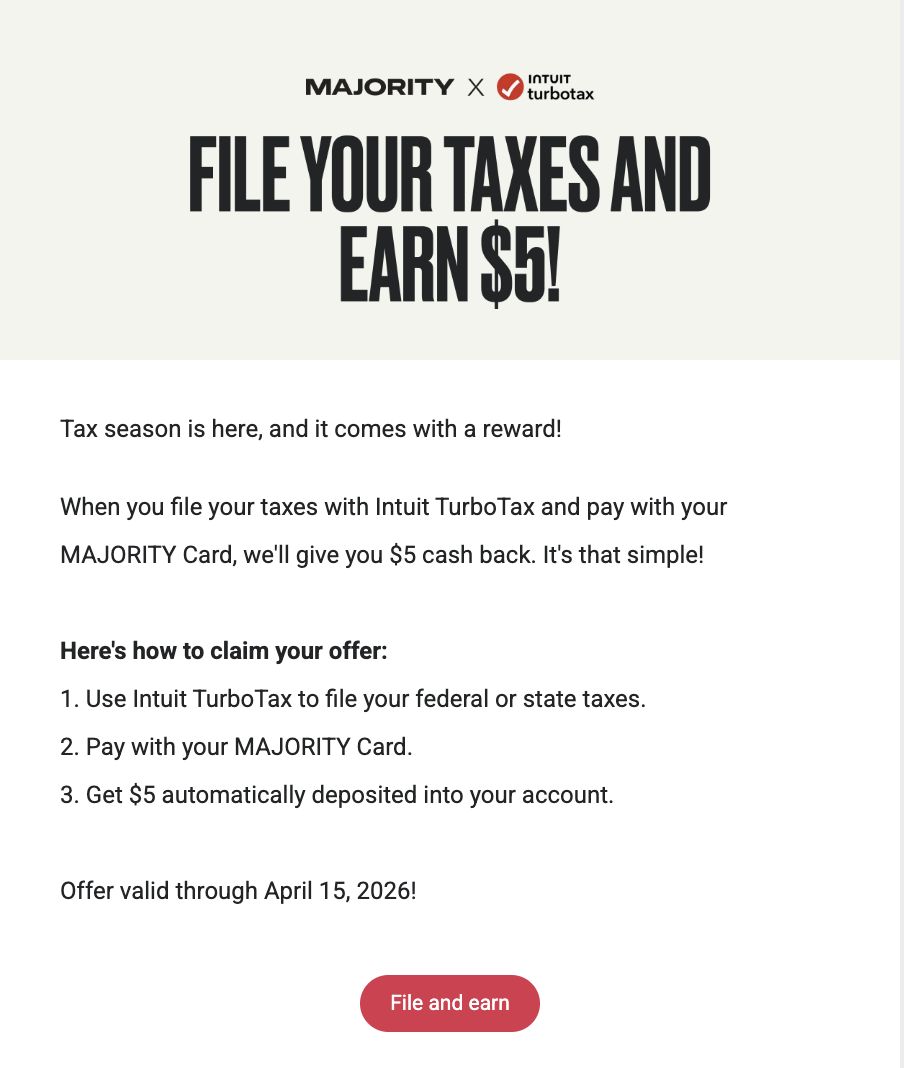
This one email hit a 96.1% delivery rate and 27.7% open rate — with only a 0.07% bounce rate, showing just how impactful a targeted email can be.
Building or expanding a cash back program? We’re here to help.
Kard’s merchant-funded rewards help fintechs and FIs compete with the biggest banks and loyalty programs. By linking brand exposure directly to verified online and in-store purchases, we can prove incremental impact at scale.
See for yourself. Schedule some time with our team today.