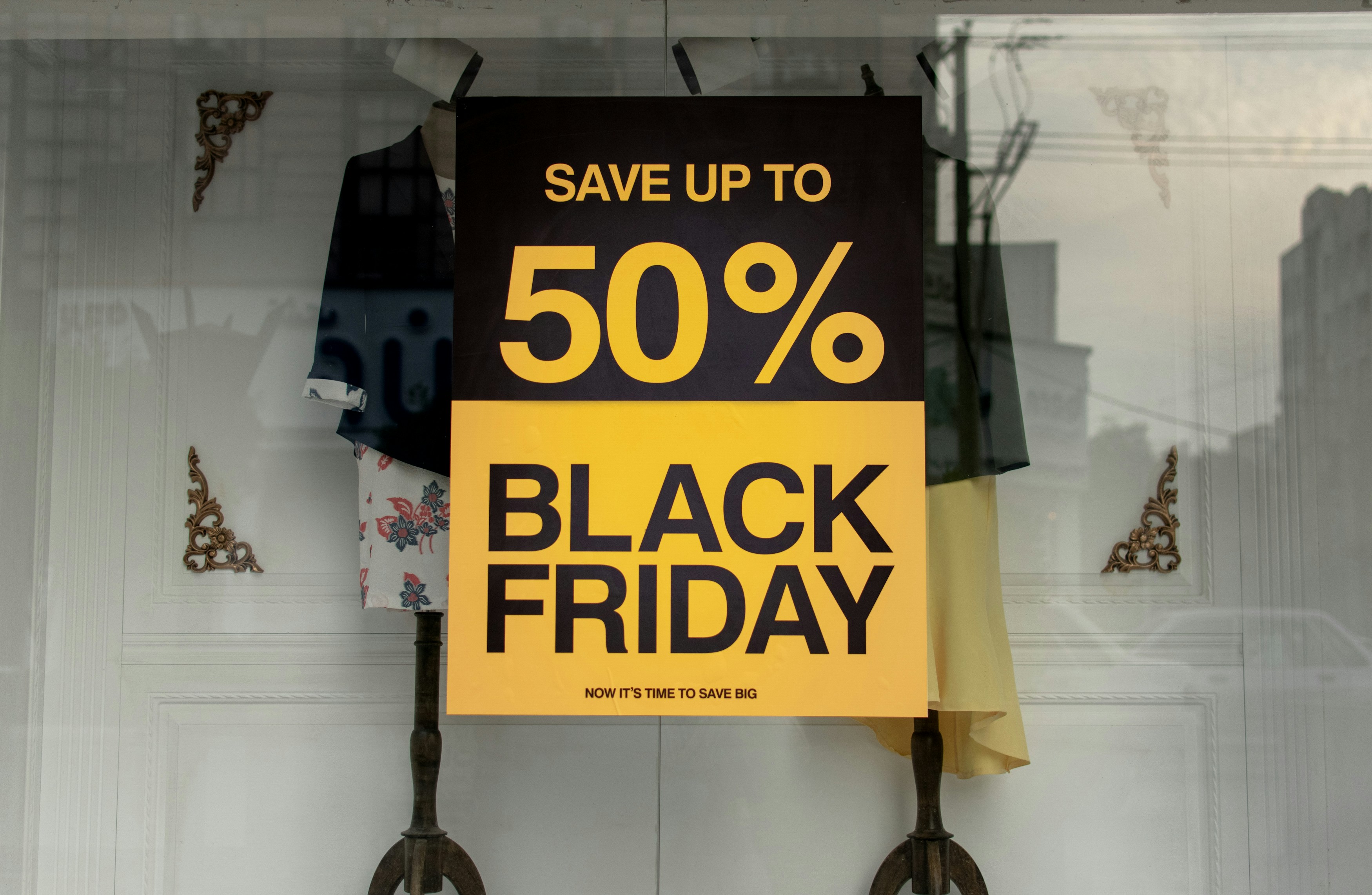
Black Friday and Cyber Monday do exactly one thing well: they bring in customers. The problem is what happens next. Most of those shoppers came for the deal, bought once, and vanish until the discounts come back around next November.
The numbers bear this out. In one analysis of Black Friday performance, retention was described as the leakiest part of the funnel, with many peak-period shoppers so discount-driven that without a dedicated follow-up strategy, most wait another twelve months or disappear entirely. The season is a powerful acquisition engine and a weak retention one. Closing that gap is where the real return on a holiday campaign lives, and card-linked offers are one of the more effective ways to do it.
The Black Friday retention problem
The math of Black Friday is seductive and misleading. A brand sees a spike in orders, new customers, and revenue, and calls the campaign a win. But acquisition is only half the equation, and it is the expensive half.
The customers a deep discount attracts are, by definition, motivated by the discount. They are the least loyal segment a brand will acquire all year, because the thing that brought them in was the price, not the brand. When the price goes back up, the reason to stay goes with it. You paid to acquire a customer whose defining trait is that they leave.
That is why the season is a stress test for a brand's entire lifecycle strategy, not just its promotional muscle. Winning Black Friday is easy. Keeping the customers it brings in is the hard part, and the part most brands neglect.
Discounting deeper is not the answer
The instinct, faced with a crowd of deal seekers, is to compete on discount depth. But the industry is quietly moving away from that.
Analysis of Black Friday 2025 found the average global discount rose only modestly, from 21% to 25%, and that the smarter retailers were not expanding markdowns at all. Instead they delivered targeted value through structured mechanics like loyalty tiers and spend thresholds. The conclusion drawn was blunt: loyalty strategy is effectively promotional strategy now. Value created through design beats value created through price cutting.
There is a good reason for that shift. Deloitte has found that up to 40% of a brand's value perception comes from factors beyond price, including service, convenience, and loyalty. Competing only on the number on the tag ignores most of what actually makes a customer choose you, and it trains the exact price-driven behavior that makes retention so hard.
Where card-linked offers fit
A card-linked offer is cash back tied to a customer's payment card, credited automatically after they pay, with no code to enter or app to download. For the Black Friday retention problem specifically, that structure does a few useful things.
It rewards the second purchase, not just the first. The holiday sale gets a customer in the door. A card-linked offer timed to the weeks after gives them a concrete reason to come back and buy again at something closer to full price, which is the purchase that actually starts a habit.
It targets the customers worth keeping. Because card-linked offers run on transaction data, you can direct a follow-up offer at the specific Black Friday buyers you want to convert into regulars, rather than blasting the whole list. You can tell a first-time holiday buyer from an existing loyalist and treat them differently.
It delivers value without another markdown. The reward is a targeted offer, not a storewide price cut, so it gives a price-sensitive holiday shopper a reason to return without dragging your margins down further after a discount-heavy weekend.
A playbook for turning holiday buyers into repeat customers
Separate the deal seekers from the rest. Use transaction data to identify who is genuinely new versus an existing customer who would have bought anyway. Your retention effort should focus on the new, deal-driven cohort, because that is where the leak is.
Drive the second purchase fast. The window after the holidays is when a new customer either becomes a repeat buyer or forgets you. A well-timed cash back offer in December or early January, aimed at that first purchase, is far more valuable than waiting for them to come back on their own.
Reward value, not just price. Follow the lead of the retailers moving toward structured value. Use rewards, tiers, and targeted offers to give holiday buyers a reason to return that is not simply the next discount.
Measure repeat rate, not just holiday revenue. The real scoreboard for a holiday campaign is how many of the customers it acquired come back. Track second-purchase rate and repeat behavior from your Black Friday cohort, not just the size of the weekend spike.
The takeaway
Black Friday will keep doing what it does best: delivering a flood of new customers in a single weekend. The brands that win are not the ones with the deepest discounts. They are the ones with a plan for what happens after the sale.
Card-linked offers help close the retention gap by rewarding the second purchase, targeting the customers worth keeping, and delivering value without another price cut. For related reading on acquiring the right customers efficiently, see our guide on how to lower customer acquisition costs with card-linked offers.