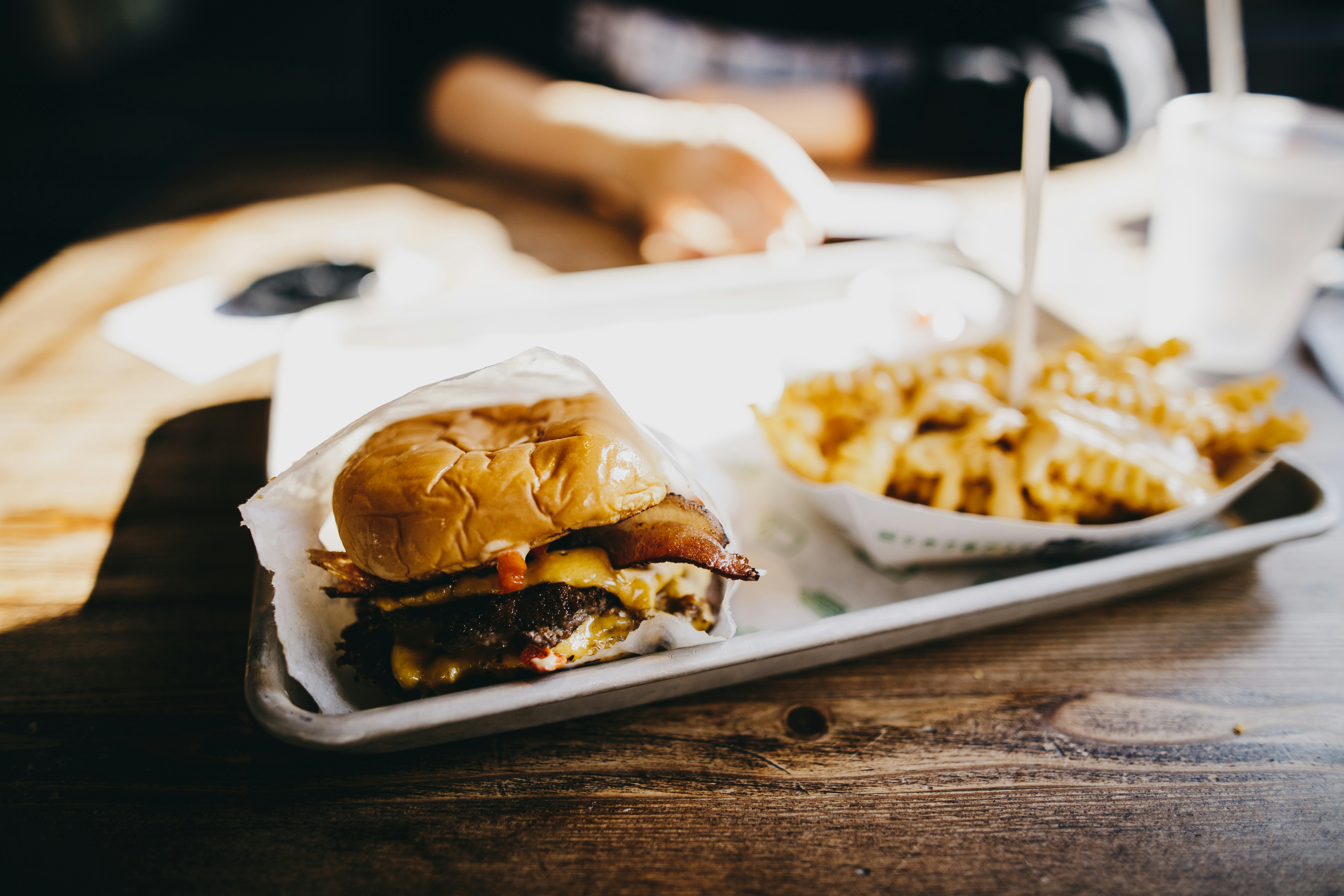
Fast casual grew by owning the middle: better food than fast food, lower prices and more speed than sit-down. That position worked for a decade. In 2026, it is under real pressure.
Menu prices across the category have climbed faster than customers' willingness to pay, and it is showing up in the numbers. For fast casual marketers, this is not just a pricing problem for the finance team to solve. It is a marketing problem about proving the price is worth it. Here is what is happening and how to respond.
The squeeze: prices rose faster than willingness to pay
The core issue is straightforward. Fast casual raised prices to cover higher food and labor costs, and at some point the increases outran what diners felt the food was worth.
Industry analysis of the category describes fast casual's growth as slowing, with price increases outpacing consumers' willingness to pay and narrowing the space between fast food's affordability and casual dining's experience. That middle-ground position, once the category's strength, now leaves it exposed from both sides.
The result is a category losing ground. Transaction-data analysis from Consumer Edge found fast casual continuing to lose share of wallet, with underperformance from major brands like Chipotle, Panera, and Five Guys, even as a few like CAVA and Shake Shack held up better. Some brands saw customers push back directly on pricing, leading to lower traffic.
Customers are trading down, and getting pickier
When a fast casual meal starts to approach sit-down prices, the value equation breaks. Customers notice, and they respond in two ways.
They trade down. Diners are moving toward quick-serve and even grocery to save money. The 2026 Restaurant Outlook from Consumer Edge found consumers prioritizing affordability, quality, and consistency as inflation fatigue sets in, and trading down to grocery stores across all income levels. For fast casual, that means defending share against cheaper options on one side and value-focused casual dining on the other.
They get more selective. The same research framed the 2026 diner not as someone simply cutting back, but as someone cutting through the noise to find value that feels worth it. People will still pay a fast casual price. They just need to be convinced the meal justifies it, every time.
That shift is the whole challenge. The customer has not disappeared. They have become harder to win, and quicker to leave if the value is not clear.
Why this is a marketing problem, not just a pricing one
Faced with this, the instinct is to reach for price: cut it, or launch a value menu. But price cuts are a blunt and expensive tool for a category whose costs are already high, and value menus carry their own risk of training customers to buy only the cheapest items.
The better framing is that fast casual's problem is a value-perception problem, and perception is marketing's job. The leading brands are not necessarily the cheapest. They are the ones communicating, clearly and often, why their price is worth paying: quality, speed, experience, and real rewards for loyal customers. CAVA, one of the category's stronger performers, has talked about doubling down on experience and value and communicating it effectively rather than competing on price alone.
For marketers, that reframes the task. The goal is not to win a race to the bottom. It is to make the value of the brand obvious enough that the price feels justified, and to give the most valuable customers a reason to keep coming back.
Where card-linked offers fit
One way to deliver real value without cutting menu prices is through targeted rewards. A card-linked offer is cash back tied to a diner's payment card, credited automatically after they pay, with no app to download or code to enter.
For a fast casual brand defending its value proposition, that structure does a few useful things.
It gives value without a menu-wide price cut. A targeted cash back offer rewards the diners you want to keep or win, without lowering the price for everyone or cheapening the brand with a permanent discount.
It targets the customers worth defending. Because card-linked offers run on transaction data, you can aim them at loyal diners you want to retain, or at lapsing ones who may be trading down to a competitor, rather than discounting indiscriminately.
It reaches beyond your own app. Fast casual loyalty apps capture the regulars, but the diners drifting away are often the ones who have stopped opening the app. A card-linked offer can reach them where they manage their money and give them a reason to come back.
It protects margin while proving value. The reward is funded as a targeted offer, so it delivers a real, felt benefit to the customer without the across-the-board margin hit of a price cut.
What fast casual marketers should do now
Lead with value, defined broadly. Communicate why the price is worth it, quality, speed, experience, not just what it costs. Price is only one part of value.
Protect your best customers first. Returning diners drive a disproportionate share of revenue. Give them rewards and reasons to stay before chasing new ones with discounts.
Win back the ones trading down. Identify diners whose visits are slipping and reach them with a targeted reason to return, before they settle into a cheaper habit elsewhere.
Avoid training price-only behavior. Favor targeted, time-bound rewards over permanent menu-wide discounts that erode both margin and brand.
Measure retention, not just traffic. Track whether your most valuable diners keep coming back, which is the real signal that your value message is landing.
The takeaway
Fast casual's challenge in 2026 is that its prices rose faster than its perceived value, and customers are responding by trading down and getting choosier. The brands that hold on will not be the ones that simply cut prices. They will be the ones that prove their value clearly and reward the customers worth keeping.
Card-linked offers are one way to do that: real value for the right diners, delivered without a menu-wide price cut that eats margin and cheapens the brand. In a category being squeezed from both sides, proving you are worth the price is the whole game.